

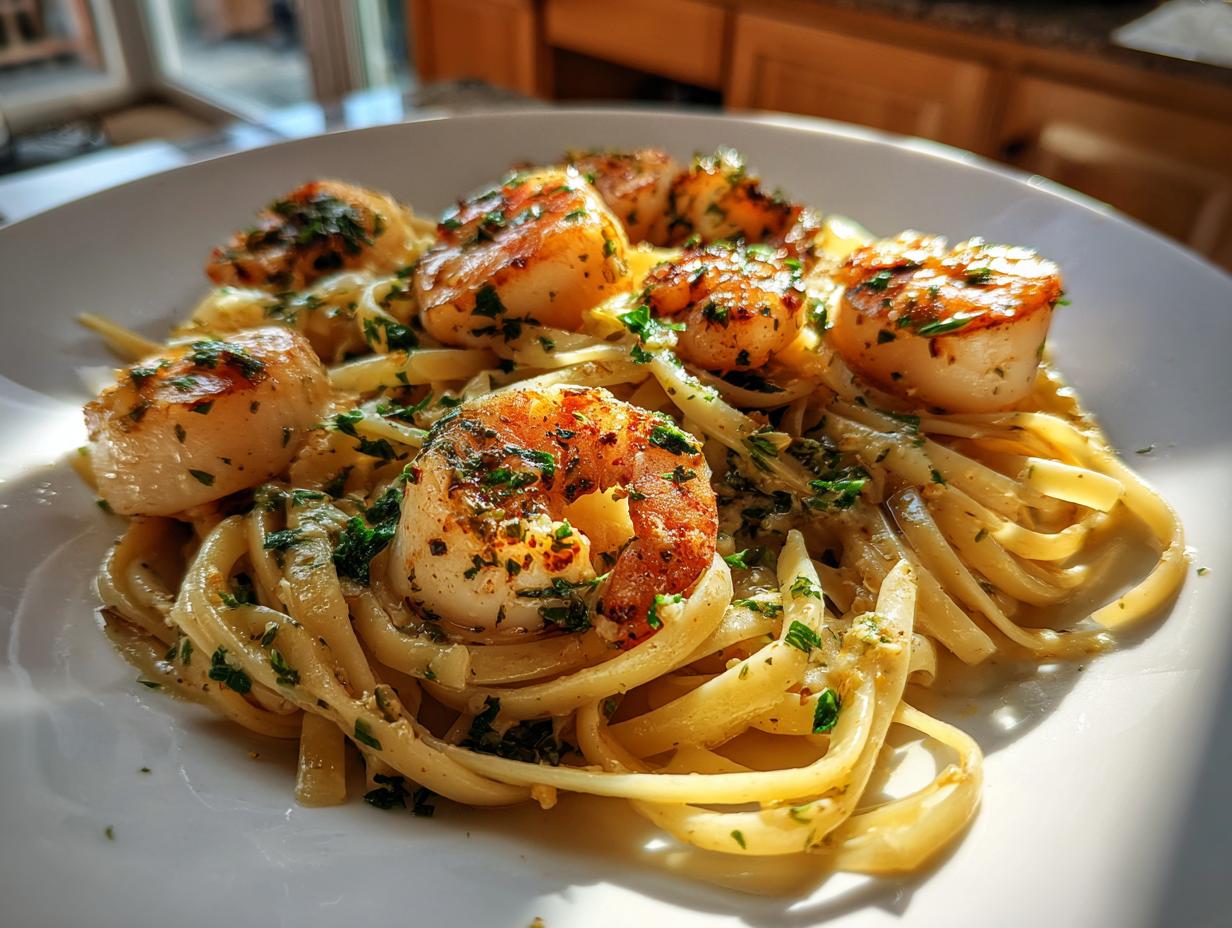
Forget ordering takeout when you’re craving something that feels luxurious! I’m Jessica Thompson, and I created The YumMagnet Recipe Box because life gets busy, but that doesn’t mean our meals have to suffer. Too often, we think restaurant-quality dishes are only for weekends, but I promise you can turn an average Tuesday night into something special. That’s why I worked hard to simplify treasured family concepts into this Quick Garlic Butter White Wine Seafood Pasta recipe. It’s the perfect bright, flavorful dish that tastes amazing but comes together faster than you think. It really embodies my mission to bring warm, home-cooked elegance back to your busy table.
- Why This Garlic Butter White Wine Seafood Pasta is Your New Weeknight Staple
- Essential Ingredients for Perfect Seafood Pasta
- How to Make This Quick Seafood Pasta
- Tips for the Best Seafood Pasta Success
- Variations on Classic Seafood Pasta Recipes
- Serving Suggestions for Your Elegant Seafood Pasta
- Storage and Reheating Instructions for Leftover Seafood Pasta
- Estimated Nutritional Data for Seafood Pasta
- Your Next Delicious Dinner Awaits
Why This Garlic Butter White Wine Seafood Pasta is Your New Weeknight Staple
When I first started tweaking this recipe, I had one main goal in mind: making elegant food fast. You guys asked for an Easy Seafood Pasta Dinner that didn’t need a whole evening, and wow, did we deliver! This dish uses simple pantry staples to make something truly memorable.
- This is the ultimate Weeknight Seafood Dinner solution—clocking in at just 35 minutes total time.
- It looks like you spent hours simmering a sauce, but it’s practically magic how fast that white wine sauce comes together.
- It’s bright, fresh, and light, which is perfect when you want something indulgent but not heavy. Try it alongside one of our family staples!
Speedy Preparation for Busy Schedules
Thirty-five minutes, seriously! That’s less time than it takes to wait for a delivery driver sometimes. While the water boils for your linguine, you’re already mincing garlic and prepping the seafood. It’s designed for those nights when you’re staring into the fridge at 6 PM wondering what to do.
Restaurant Quality Seafood Pasta at Home
This isn’t just any saucy dish; this is that beautiful, glossy sauce you get at those pricier Italian spots. We’re using fresh lemon juice and a good splash of white wine to keep everything vibrant. It truly makes for Elegant Pasta Dishes that prove you don’t need a reservation to eat like royalty.
Essential Ingredients for Perfect Seafood Pasta
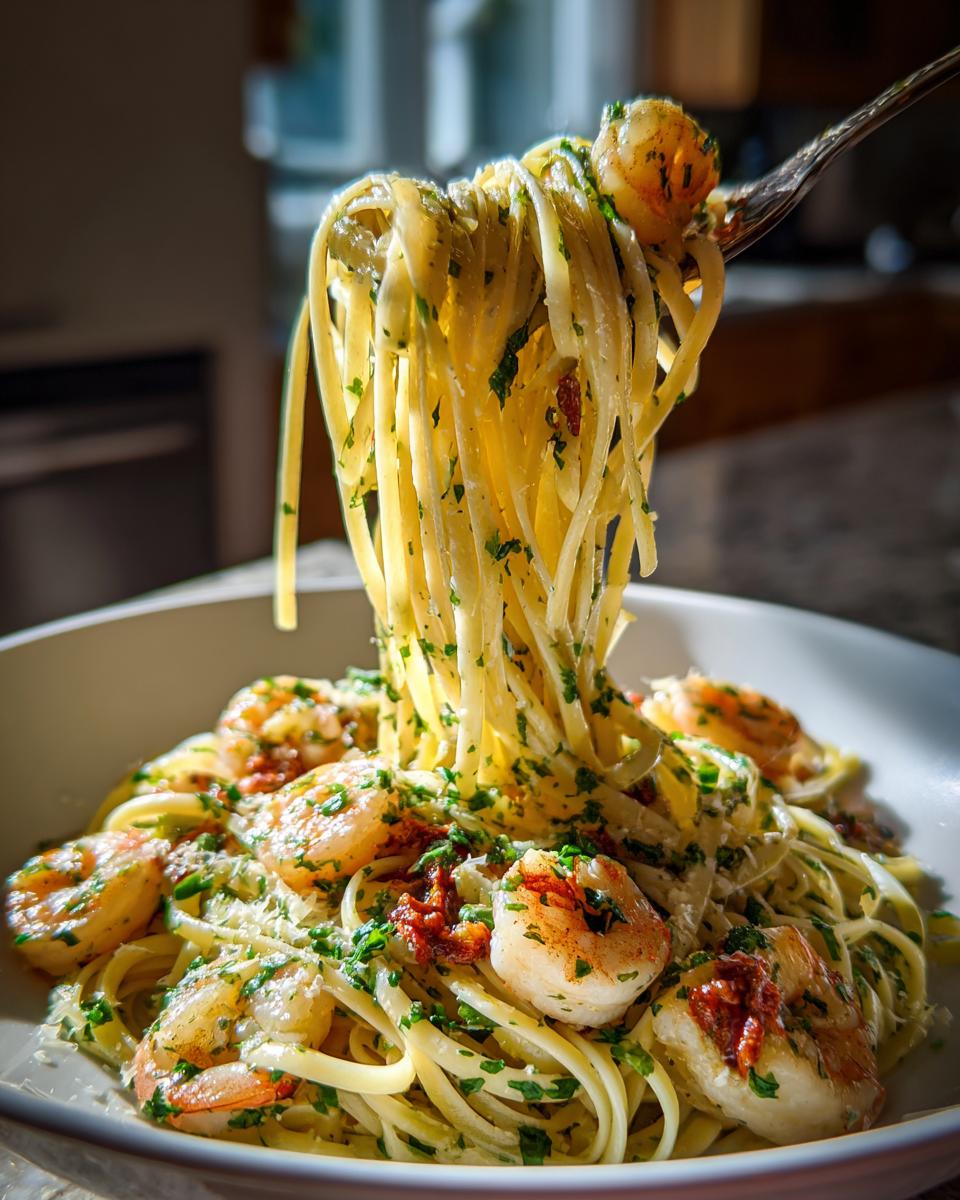
Okay, ingredient list time! This is where we build our foundation for the absolute best flavor, so please don’t cheat on quality where you can help it. When you’re working with delicate seafood, you really need fresh, good stuff. Remember, Jessica’s philosophy is that simple ingredients prepared with care make the magic happen. I’ve listed out exactly what you need to pull this off perfectly, even if you’re trying to make it super fast.
Ingredient Clarity and Preparation
See that list of ingredients? Make sure you have everything ready to go before you even think about turning on the stove. That’s crucial for keeping dinner under 40 minutes! We’re using a fun mix here: about a pound of whatever seafood you love, but I always aim for shrimp, scallops, and if I can find them readily, some mussels. Also, a note on the wine: please, please, please use a dry white wine you would actually drink, like Pinot Grigio. Skip that bottle labeled “cooking wine” on the shelf—it tastes chemically!
For the filler elements, you need exactly one pound of linguine pasta, which holds that gorgeous sauce perfectly. And don’t underestimate that garlic; we want three good cloves, minced finely, so that flavor bursts out right when the butter melts. If you want inspiration on other quick staple recipes, check out this chicken fried rice recipe—it follows the same fast principles!
How to Make This Quick Seafood Pasta
Alright, time to roll up those sleeves! Making this seafood pasta is all about timing. If you rush Step 1, you’ll regret it later when you don’t have that starchy liquid gold for the sauce. I promise, following these steps even when you’re distracted lets you nail that bright, fresh sauce every single time. It’s straightforward, but precision in the first few minutes saves the whole dish!
Cooking the Pasta and Building the Sauce Base
First things first: get your linguine boiling. Make sure you cook it just until it’s perfectly *al dente*—we don’t want mushy noodles! The most important part of this step is reserving at least one full cup of that cloudy pasta water right before you drain it. Don’t forget!
Next, move to a big skillet. Melt your butter over medium heat. Toss in that minced garlic and the red pepper flakes. Now listen to me: cook this for just about 60 seconds until it smells heavenly. If that garlic turns dark brown, you have to pull the pan off the heat because brown garlic is bitter garlic. Once you smell it, immediately pour in that dry white wine and let it bubble away for a couple of minutes to reduce slightly. That starts building the flavor base beautifully.
Cooking the Seafood and Finishing the Seafood Pasta
Once the wine has reduced a bit, pour in the broth and lemon juice. Bring that up to a gentle simmer, then season your mixed seafood and add it right in. Depending on how big your shrimp and scallops are, this only takes about 3 to 5 minutes total. You want the shrimp pink, but don’t overcook it, or it gets tough!
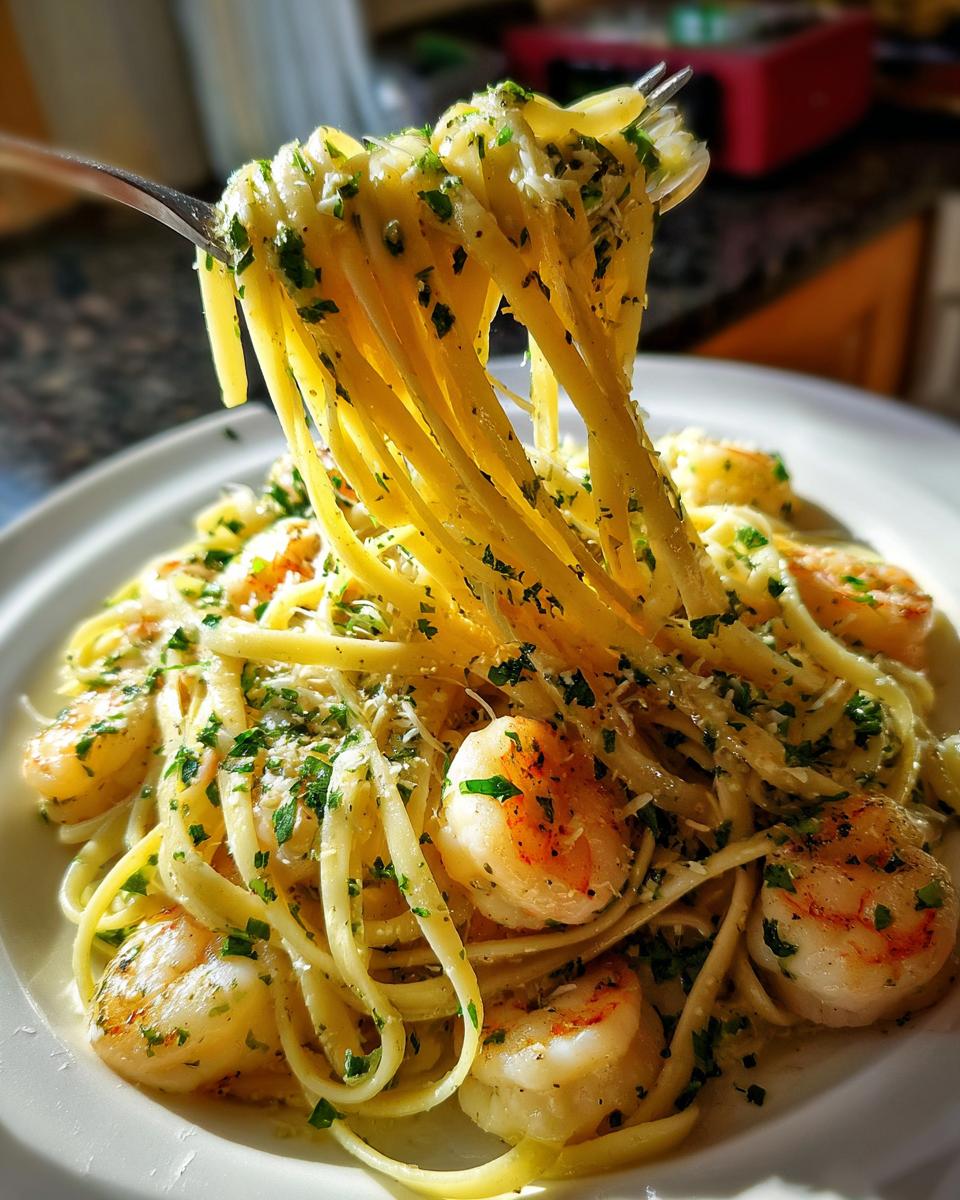
Now, toss that drained pasta right into the skillet with all that amazing seafood and sauce. This is where the magic happens for the Best Seafood Pasta Sauce: add the reserved pasta water splash by splash. Tossing vigorously emulsifies the butter, wine, and starch, making the sauce cling perfectly to every strand of linguine. If it looks a little dry, add another splash! Finish it off by stirring in fresh parsley. If you want that creamy touch, you can totally pivot here and add some Parmesan for a richer sauce, kind of like my creamy Alfredo recipe, but honestly, this bright version is fantastic!
Tips for the Best Seafood Pasta Success
Now that you know the basic steps for our seafood pasta, let’s talk about those little tweaks that take a good dish to a *wow* dish. When folks ask me how to make seafood pasta that tastes like I made it on vacation, these are the small secrets I share. It’s all about controlling moisture and leaning into the richness!
Achieving a Richer Flavor in Your Seafood Pasta
I love the bright tang this recipe has with just broth and wine, but sometimes, honestly, you just need something decadent. If you’re feeling fancy or maybe the broth you had on hand wasn’t super flavorful, you can always go the creamy route! Right at the end, when you’re tossing everything together, swap out half of that broth measurement for heavy cream. Just use a quarter cup of cream—it makes the sauce hug the linguine in the most wonderful way.
Also, if you’re using store-bought chicken broth, try finding one that’s low-sodium. That way, you control all the saltiness later. Remember, every single ingredient matters when you’re keeping the ingredient list short!
Handling Frozen Seafood for Seafood Pasta
Listen, I totally get it—sometimes the fresh seafood case looks sad, or maybe you just bought a big bag of frozen shrimp when it was on sale. That’s fine! But here’s the essential catch: if you use frozen seafood, you have to treat it right before it goes into that skillet. You must thaw it completely, and then, please, take a few paper towels and pat every single piece dry. Make sure they look almost dry to the touch!
If you skip that step, all that leftover ice water dumps straight into your beautiful garlic butter sauce, and suddenly you have a sad, watery mess instead of a clingy, rich sauce. Nobody wants that! Drying your seafood guarantees great texture and better sauce adhesion.
Variations on Classic Seafood Pasta Recipes
I love that this basic seafood pasta recipe, built on garlic, butter, and white wine, is so flexible! It’s like the best little framework you can use to build all sorts of other amazing dinner ideas. If you’re seeing pictures of gorgeous, thick sauce online and thinking, “I want that one next time,” don’t worry. You barely have to change a thing to pivot into different flavor profiles. This is all about utilizing that base sauce beautifully.
Making a Creamy Seafood Pasta Version
Because I know you guys love that deep, comforting quality, let’s talk about turning this bright wine sauce into a luxurious Creamy Seafood Pasta. Remember how I mentioned swapping out broth for heavy cream? That’s your main trick right there! Instead of the full half-cup of broth, use a quarter-cup of heavy cream instead. That gives you a richer emulsion that coats the noodles beautifully.
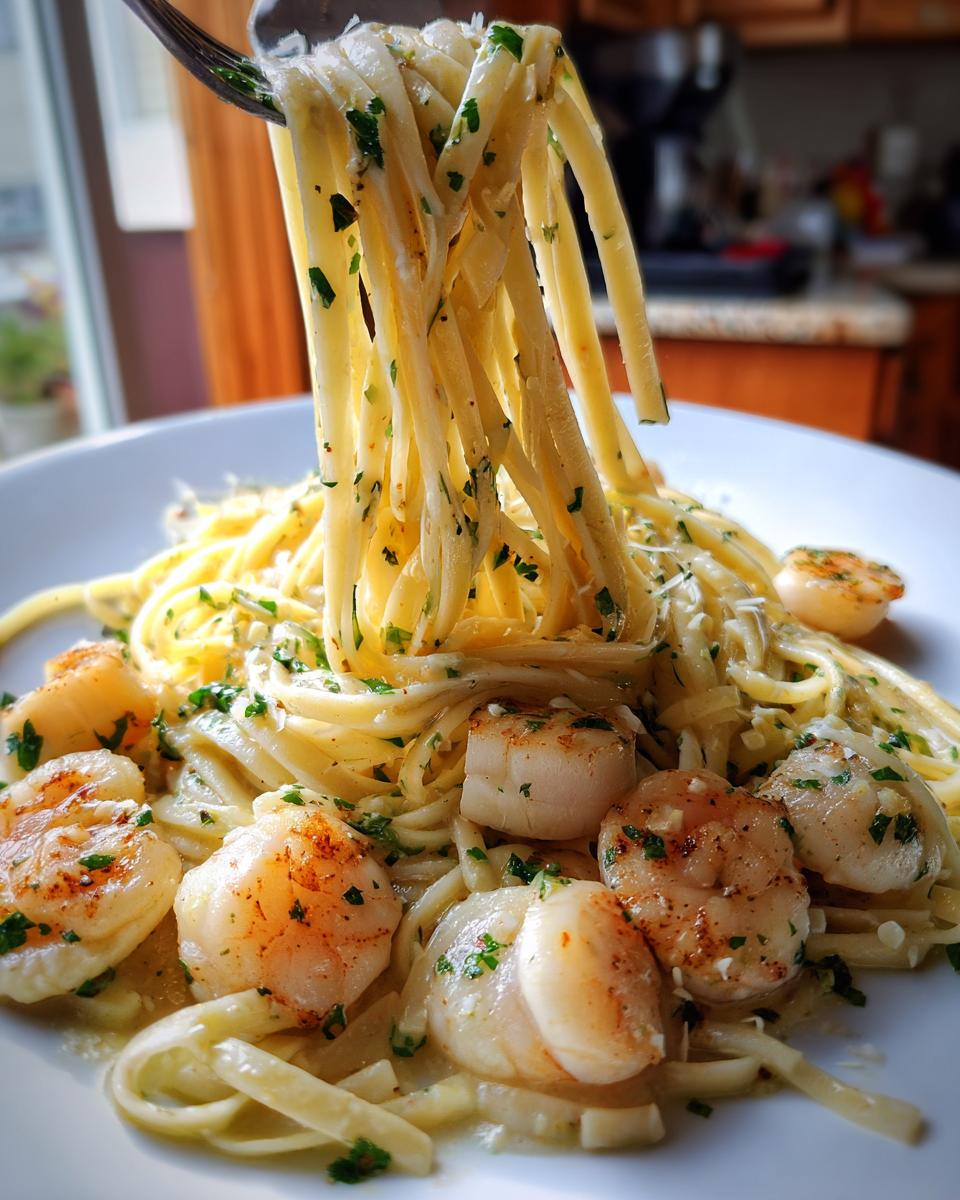
If you want that cheesy depth, stir in about a quarter-cup of grated Parmesan cheese right at the very end—check the notes section above for the exact timing! It thickens it right up and tastes incredible, kind of like the luxurious vibe you get from my famous creamy chicken alfredo, but of course, packed with those beautiful scallops and shrimp.
Adding Spice: Cajun Seafood Pasta Style
Maybe you’re looking for something a little punchy, something that warms you from the inside out? We can totally pivot to a spicy profile without resorting to a whole new spice cabinet. If you’re craving that spicy, smoky flavor of a Cajun Seafood Pasta, you just have to layer in the heat when you add your seafood.
Before adding the seasoned shrimp and scallops to the simmering wine/broth mixture, toss them lightly in a tablespoon or two of your favorite good-quality Cajun seasoning blend. That seasoning will bloom in the heat as the seafood cooks, infusing the entire sauce with deep flavor. Be mindful of your salt when you do this, as Cajun blends are usually quite salty already!
Serving Suggestions for Your Elegant Seafood Pasta
We finally have this gorgeous, glistening seafood pasta ready in the pan! Because the sauce is wine-based and uses bright lemon, you don’t want to overwhelm those delicate shrimp and scallop flavors. This dish is really balanced on its own, so the best sides are actually additions to help you soak up every last drop of that incredible sauce.
First things first: you absolutely need bread. I’m talking thick, crusty Italian bread! I have a recipe for a rustic loaf that is simple, uses no yeast rising time, and is perfect for dipping. You really want something structural to capture that garlic butter and wine reduction.
If you feel like you need a vegetable on the side, keep it simple. A light, fresh salad works wonders. Think soft butter lettuce with just a drizzle of olive oil, a splash of red wine vinegar, and maybe a tiny bit of salt and pepper. Nothing heavy, no creamy dressings here, because we want the star of the show—your amazing pasta—to shine through!
And if you’re serving this for date night, I sometimes just sauté some asparagus quickly in the same pan after removing the pasta. Just a little olive oil, a pinch of salt, and cook until tender-crisp. It adds color and great texture without fighting the main flavors of your Garlic Butter Seafood Pasta.
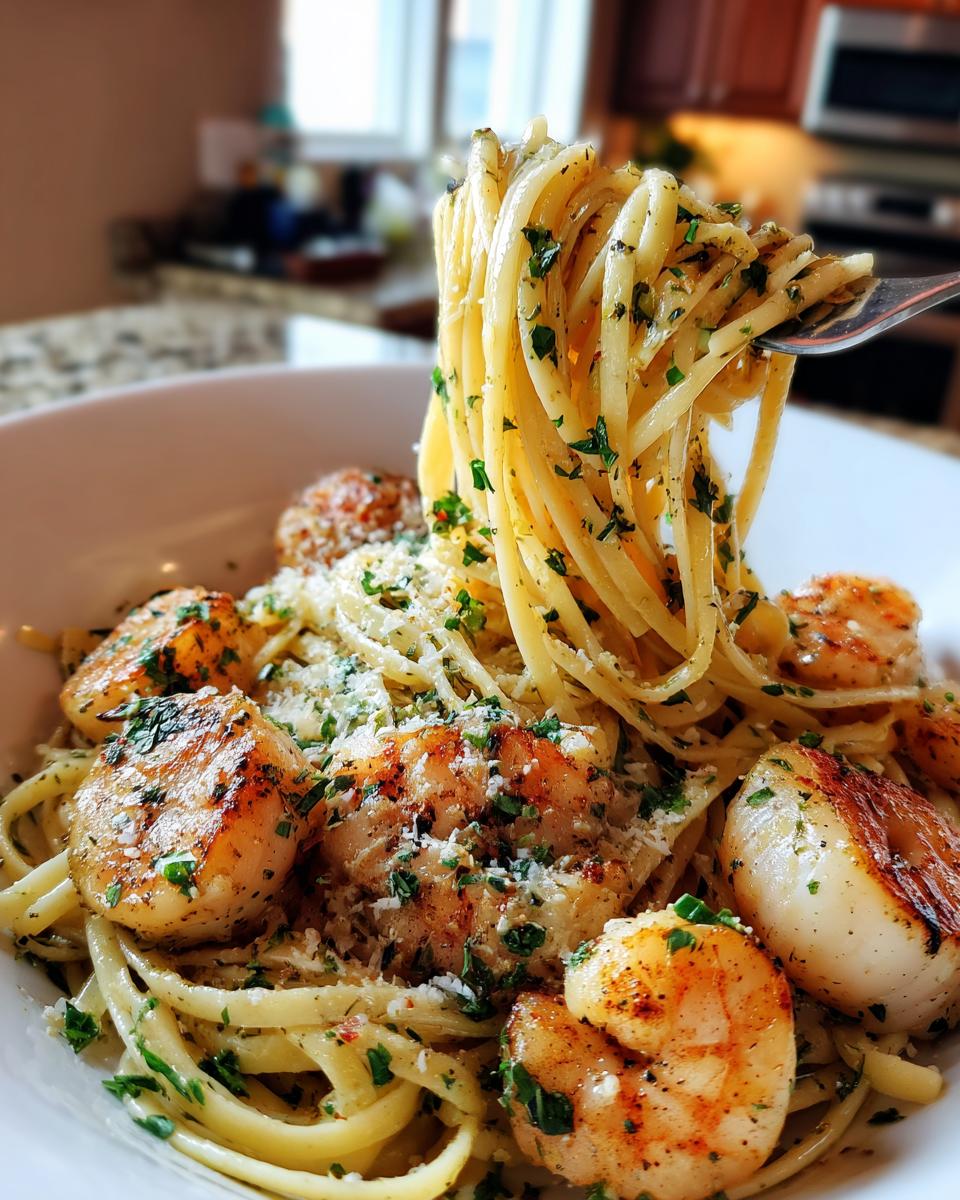
Storage and Reheating Instructions for Leftover Seafood Pasta
Don’t you hate it when you make amazing food and the leftovers are just… sad? That’s not happening to our beautiful seafood pasta! While this dish is truly best right out of the pan when the sauce is perfectly emulsified, we know life happens, and sometimes we have leftovers. The key thing to remember here is that the starches from the pasta water and the butter will contract and thicken significantly when they chill.
When you store it, use a good airtight container. I usually try to eat leftovers within two days, maximum. If you’re putting it away, I actually like to add an extra little splash of water or broth while it’s chilling—just to preemptively combat that thickening that happens in the fridge.
Reheating is where you must pay attention, especially because seafood cooks so quickly! If you try to blast it in the microwave, that shrimp and those scallops will turn rubbery faster than you can say “bon appétit.” Forget high heat!
The Best Way to Reheat Your Seafood Pasta
My absolute favorite trick for reheating pasta like this is back on the stovetop. Get a nonstick skillet over medium-low heat. Add a small splash of liquid—a Tablespoon or two of broth or even just water works beautifully. You want just enough moisture to steam things gently.
Toss the cold pasta and seafood in that warmed skillet. Keep the heat low and stir constantly, tossing it gently until it’s heated through. It might take 5 to 7 minutes, but that low-and-slow approach allows the sauce to loosen back up without actively cooking the seafood any further. You want it warm, not sizzling angrily!
A Plea to Avoid Overcooking the Seafood
If you are reheating a very large portion, you might find the sauce gets a little too thick before the center is warm. If that happens, just add another drizzle of broth or maybe a tiny pat of butter to help it loosen up. The goal is that silky sauce coating the linguine again, not a pasta clump!
Honestly, if you’re only reheating a tiny single serving, a quick 30-second pulse in the microwave might be okay if you mix in a teaspoon of water first, but just know the stovetop method always wins for preserving that delicate shrimp texture. Always check the seafood first; if it feels rubbery when you toss it, it’s already past the point of rescue, so be gentle!
Estimated Nutritional Data for Seafood Pasta
Now, I know that some of you are tracking your macros or maybe just curious about what exactly is going into your delicious seafood pasta creation. Because we use a mix of ingredients here—from the linguine to the seafood—nutrition can vary based on the exact size of your shrimp or if you decide to add that optional cream boost I mentioned earlier. Remember, this is The YumMagnet Recipe Box, so we believe in transparency!
Nutritional Estimates (Per Serving)
Based on the exact measurements listed in the recipe above—without any heavy cream additions, just the bright wine sauce—here is the estimated breakdown:
- Serving Size: 1 serving
- Calories: 550
- Fat: 15g
- Saturated Fat: 8g
- Carbohydrates: 65g
- Fiber: 3g
- Sugar: 3g
- Protein: 38g
- Sodium: 450mg
- Cholesterol: 210mg
I tried to keep the sodium level low in that base estimate (450mg is pretty good for a restaurant-style dish!), but saltiness really depends on your broth and whether you add extra seasoning. Also, notice that protein number—38 grams! That’s because seafood is just packed with goodness. This is why I love this recipe so much; you get an incredibly satisfying, high-protein meal that feels totally decadent but actually fits nicely into a busy schedule.
Just keep in mind that these figures are estimates based on the specific ingredients I listed. If you use a richer pasta, swap to heavy cream, or use jumbo shrimp instead of medium, those numbers will shift a bit. But hey, it’s a home-cooked meal, and taste should always win first!
Your Next Delicious Dinner Awaits
Whew! We made it! Now that you have all the secrets to turning out a beautiful, restaurant-quality seafood pasta in under 40 minutes, I seriously hope you give this a try soon. You deserve a meal this impressive on a regular Tuesday night.
When you do make it—whether you stick to this classic bright version or venture into the creamy territory—please swing back here and let me know how it went! Drop a comment below and tell me what seafood you decided to use. Did you go for shrimp and scallops, or did you mix in some crab meat?
I read every single comment because getting feedback from cooks like you is exactly why I started The YumMagnet Recipe Box! Your success in the kitchen is my favorite part of this whole process. You’ve got this incredible, easy recipe in your arsenal now, so promise me you’ll use it!
And if you want to learn more about how we develop all these practical, real-life recipes inspired by my family kitchen, feel free to check out our story page. Happy cooking, friend!
PrintQuick Garlic Butter White Wine Seafood Linguine
Make this restaurant-style seafood pasta at home. This recipe features shrimp and scallops in a bright garlic butter white wine sauce and is ready fast enough for a weeknight dinner.
- Prep Time: 15 min
- Cook Time: 20 min
- Total Time: 35 min
- Yield: 4 servings 1x
- Category: Dinner
- Method: Stovetop
- Cuisine: Italian-American
- Diet: Low Fat
Ingredients
- 1 pound linguine pasta
- 1 pound mixed seafood (shrimp, scallops, mussels)
- 4 tablespoons unsalted butter
- 3 cloves garlic, minced
- 1/2 cup dry white wine
- 1/2 cup chicken or seafood broth
- 1/4 cup fresh lemon juice
- 1/4 cup fresh parsley, chopped
- 1/4 teaspoon red pepper flakes
- Salt and black pepper to taste
Instructions
- Cook the linguine according to package directions until al dente. Reserve 1 cup of the pasta water before draining.
- While the pasta cooks, season your mixed seafood lightly with salt and pepper.
- In a large skillet, melt the butter over medium heat. Add the minced garlic and red pepper flakes. Cook for 1 minute until fragrant; do not let the garlic brown.
- Add the white wine to the skillet and let it simmer and reduce by half, about 2 minutes.
- Pour in the broth and lemon juice. Bring the sauce to a gentle simmer.
- Add the seasoned seafood to the skillet. Cook until the shrimp is pink and opaque and the scallops are cooked through, about 3 to 5 minutes, depending on size.
- Add the drained linguine to the skillet with the seafood and sauce. Toss everything together.
- Add the reserved pasta water, a little at a time, until the sauce coats the pasta nicely.
- Stir in the fresh parsley. Taste and adjust salt and pepper as needed.
- Serve immediately for an elegant pasta dish.
Notes
- For a richer sauce, substitute heavy cream for half of the broth measurement.
- If you want to make this a creamy seafood pasta, stir in 1/4 cup of grated Parmesan cheese at the end.
- You can use frozen seafood; make sure it is fully thawed and patted dry before cooking.
Nutrition
- Serving Size: 1 serving
- Calories: 550
- Sugar: 3
- Sodium: 450
- Fat: 15
- Saturated Fat: 8
- Unsaturated Fat: 7
- Trans Fat: 0
- Carbohydrates: 65
- Fiber: 3
- Protein: 38
- Cholesterol: 210