

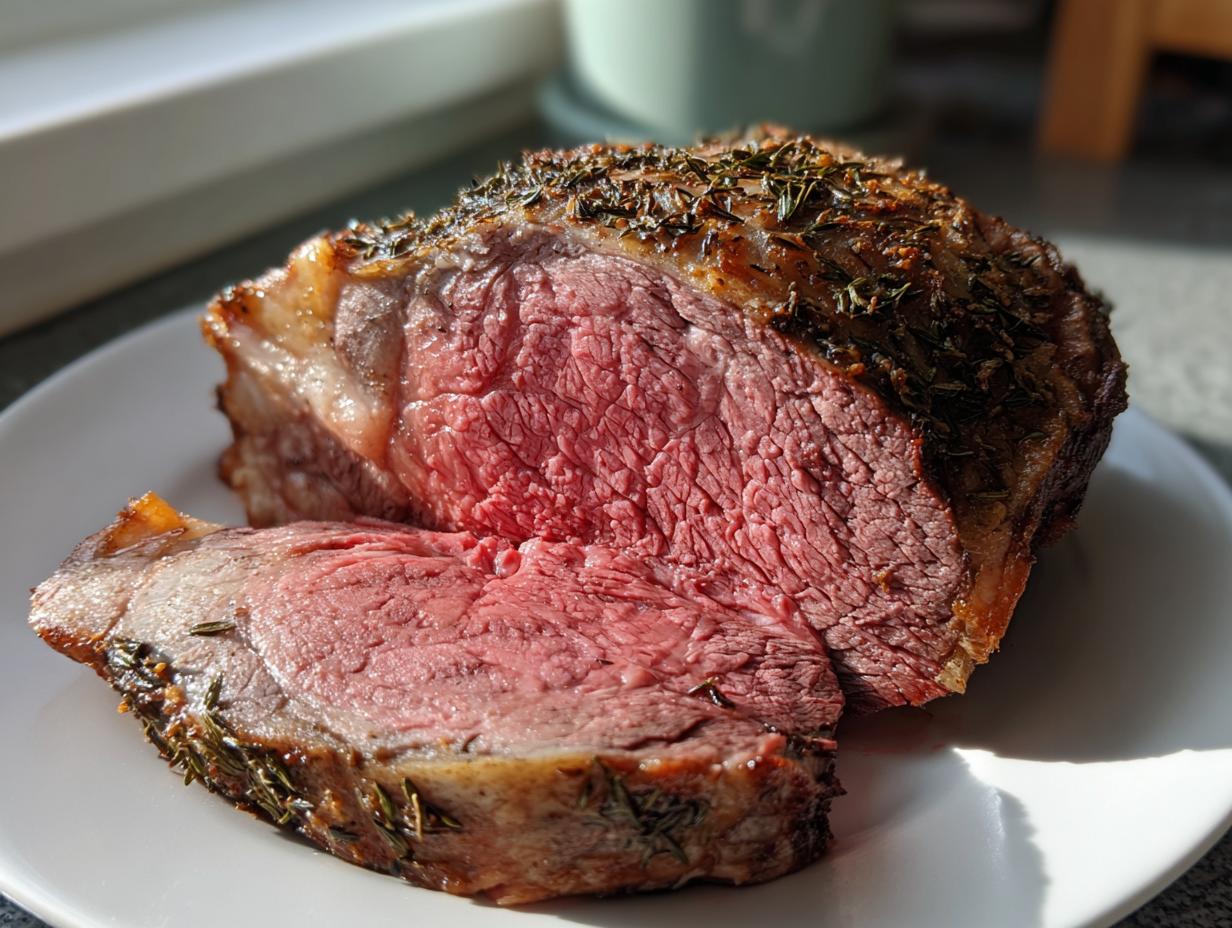
Honestly, putting a massive roast like prime rib on the table can feel terrifying, right? It’s supposed to be the star of your family dinner spread, and the thought of messing up that beautiful hunk of beef keeps people ordering takeout instead. Well, I promise you, that ends today! This specific prime rib recipe is my absolute guarantee for success. I learned the basics long ago standing on a wobbly stool watching my mom, but mastering roasts for my own busy family taught me you need reliability, not fancy techniques. This method is simple, focuses on high heat followed by low heat, and brings that melt-in-your-mouth tenderness you always dream about.
- Why This is the Best Prime Rib Recipe for Your Holiday Centerpiece Meal
- Ingredients Needed for This Easy Prime Rib Recipe
- How to Cook Prime Rib: Step-by-Step Oven Roasted Prime Rib Instructions
- Tips for a Perfect Herb Crusted Prime Rib
- Serving Suggestions for Your Prime Rib Recipe
- Storage and Reheating Instructions for Leftover Prime Rib
- Frequently Asked Questions About This Prime Rib Recipe
- Nutritional Estimate for This Tender Beef Roast Recipe
- Share Your Christmas Prime Rib Dinner Success
Why This is the Best Prime Rib Recipe for Your Holiday Centerpiece Meal
Listen, if you’re looking for the Best Prime Rib Recipe out there, what you need is reliability. My method is borrowed from the best of both worlds: a quick, intense blast of heat to lock in that gorgeous crust, followed by a gentle, slow roast. This dual approach is how we ensure maximum flavor for your Holiday Centerpiece Meal without needing to hover over the oven all day. It is truly a simple execution that delivers unbelievable results. Pair this masterpiece with some crusty bread bowls when you serve it!
Achieving a Succulent Beef Roast Every Time
The first secret to a Succulent Beef Roast happens long before the oven turns on. You must let that roast chill out on the counter for about three hours! This step, bringing the meat almost to temperature, is critical for even cooking. But the second, even more important step, is the rest! Never skip the 20-minute tented rest after it comes out. That resting period allows the juices, which have rushed to the center during cooking, to redistribute throughout the meat. Skip it, and all that beautiful moisture runs out onto your cutting board instead of staying inside the roast.
Ingredients Needed for This Easy Prime Rib Recipe
This recipe is built around simplicity, which means we don’t need a pantry full of specialty spices. The star here is that beautiful hunk of meat! Make sure you source a quality bone-in roast, usually 5 to 7 pounds, as those bones really do guard the moisture.
For the herb crust, you’ll need:
- 1 (5-7 pound) bone-in prime rib roast
- 3 tablespoons coarse kosher salt
- 2 tablespoons black pepper
- 1 tablespoon garlic powder
- 1 tablespoon onion powder
- 1 tablespoon dried rosemary
- 1 tablespoon dried thyme
- 4 tablespoons olive oil
- 4 cloves garlic, minced
That’s it! A simple rub made with ingredients you already have. Don’t be shy when rubbing it all over the meat—we want a nice, thick layer of flavor clinging on for dear life.
How to Cook Prime Rib: Step-by-Step Oven Roasted Prime Rib Instructions
Okay, this is the moment of truth! Following the proper prime rib recipe steps is how we turn an expensive cut of beef into a show-stopper. First things first: if you haven’t pulled that roast out three hours ahead, please go do that now! We need it rested on the counter. While we wait for that, get your oven preheated to a screaming hot 450 degrees F. You need that initial blast of high heat—we’re talking exactly 15 minutes—to form the amazing crust we talked about.
After those 15 minutes are up, and trust me, do *not* open the oven door during them, drop the temperature down to 325 degrees F. Now we roast low and slow until the internal magic happens. I cannot stress this enough: invest in a good digital meat thermometer. Seriously, this is the best kitchen tool you can buy when dealing with large roasts! You slide it right into the thickest part, avoiding that bone, and watch it climb.
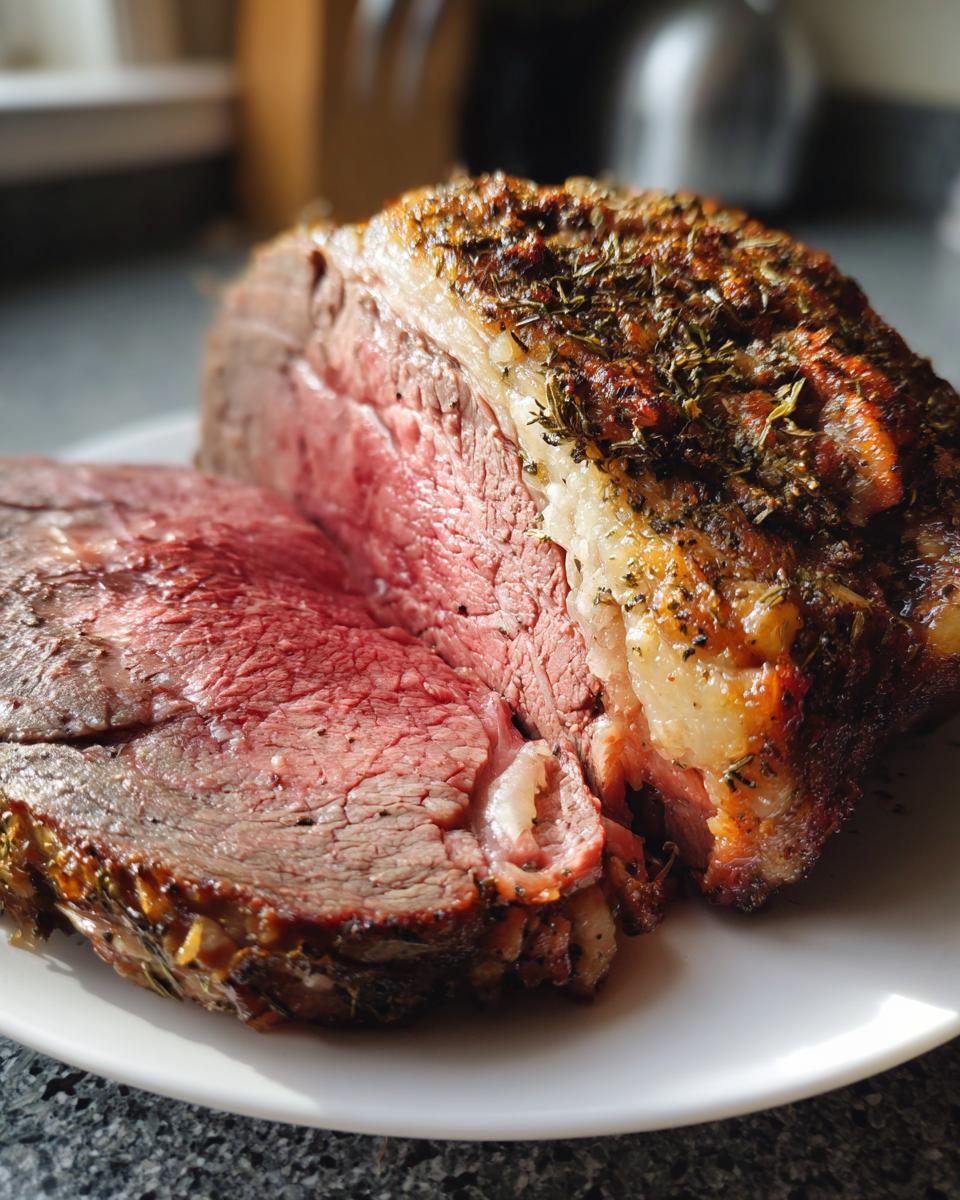
Once it hits your target temp, we pull it out! Then comes the next non-negotiable rule: tent it gently with foil and let it rest for a minimum of 20 minutes—though 30 is even better. I forgot to rest mine once, and the juices ran everywhere! After resting, slice against the grain and serve it up immediately. If you’re doing sides, now is the perfect time to whip up some easy gravy or your Yorkshire pudding!
Mastering the Perfect Prime Rib Temperature for Doneness
Figuring out the right temperature is everything for a Juicy Prime Rib Method. Remember that temperature keeps climbing once it leaves the oven—that’s called carryover cooking! So, you pull it when it’s still slightly shy of what you actually want. For straight-up rare, aim for 120 to 125 degrees F; I think this cut shines best right around medium-rare, which means pulling it when your thermometer reads 130 to 135 degrees F. If you prefer medium, go to 140 to 145 degrees F. Once it rests, those internal degrees will jump up enough to hit your sweet spot perfectly. If you want classic inspiration, check out this great restaurant-style prime rib roast for comparison.
Tips for a Perfect Herb Crusted Prime Rib
We’ve talked a lot about temperature, but let’s focus on that incredible crust—it’s what makes this Herb Crusted Prime Rib feel so special! My biggest piece of advice here is what the recipe notes hint at: the bones. If you can swing it, always use a bone-in roast. Those bones act like little natural insulators, keeping the meat right next to them more tender and juicy. They’re worth the extra effort to butcher around later, I promise you that.
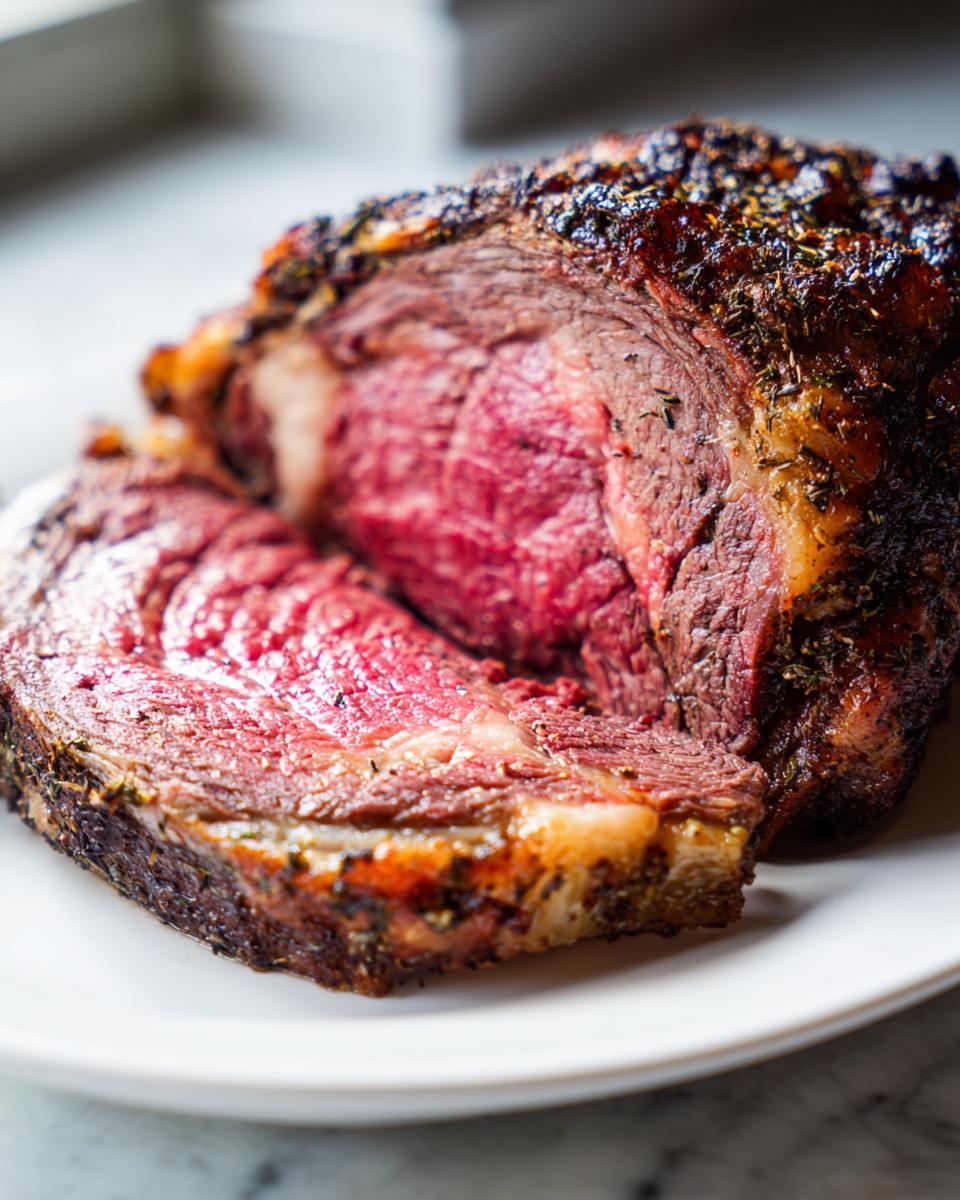
Also, make sure you’re pressing that rub on HARD. Don’t just sprinkle it; you want a good coating of salt, rosemary, and herbs adhering to every surface. I learned the hard way about the resting rule when I rushed dinner for my in-laws one Christmas. We sliced into it too early, and instead of a beautiful, deeply colored roast, we got a puddle of super delicious but slightly runny beef juice on the platter. Lesson learned! Don’t skip the 20 minutes, and maybe serve some garlic breadsticks while you wait!
Serving Suggestions for Your Prime Rib Recipe
You did it! You nailed the temperature and let it rest perfectly. Now for the truly fun part: what goes alongside this mighty centerpiece for your Christmas Prime Rib Dinner? You absolutely have to use the drippings in the pan. If you made the roast correctly, you should have some incredible, flavorful liquid left over—that’s the base for your Prime Rib with Au Jus. Don’t let those juices go to waste!
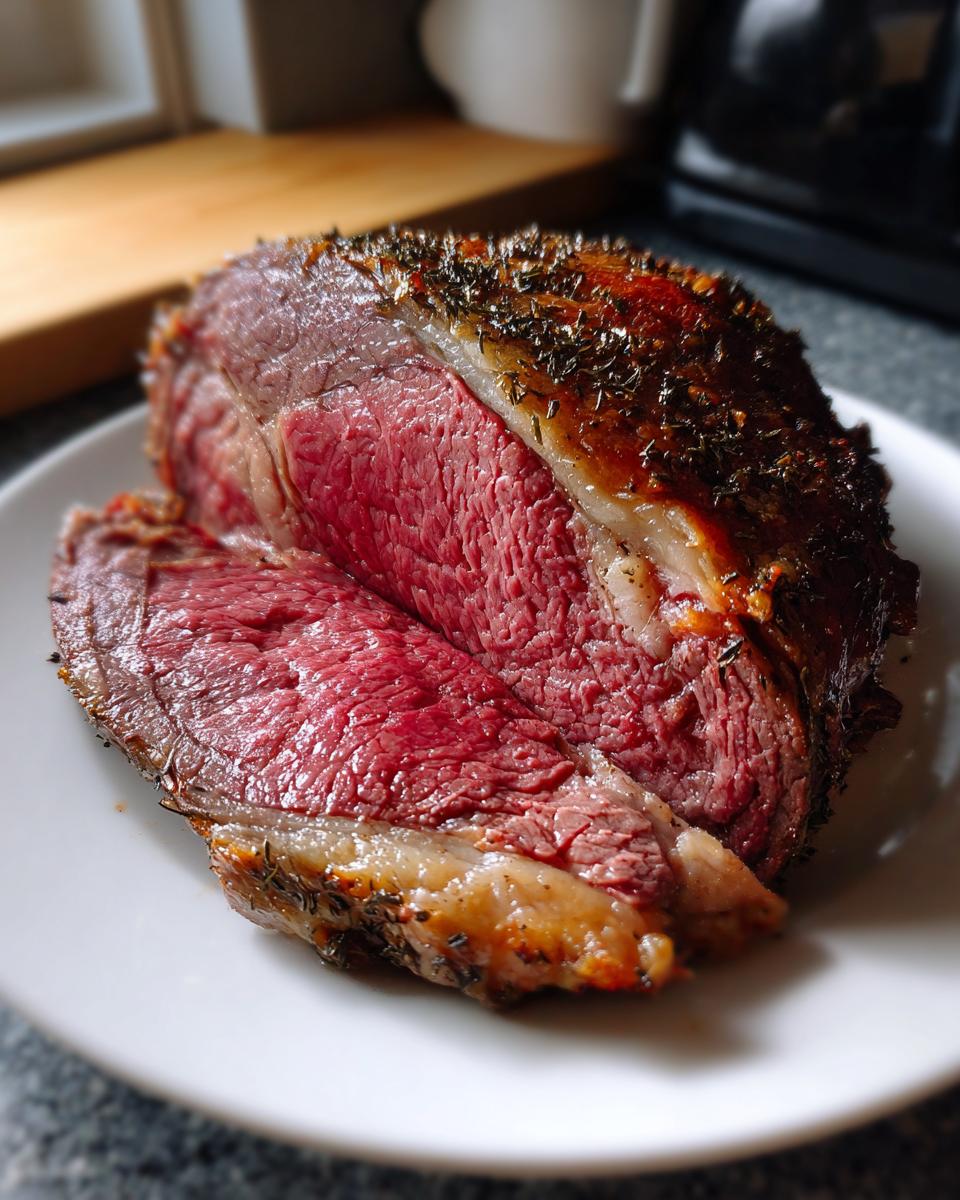
Beyond the jus, you need balancing sides. This rich meat begs for something creamy and something green. I always pair mine with a giant bowl of my ultimate fluffy mashed potatoes to soak up all those juices. For your vegetable, keep it simple, like roasted asparagus or green beans. Keep the sides simple so that gorgeous roast remains the undisputed star of the show!
Storage and Reheating Instructions for Leftover Prime Rib
Don’t you hate wasting a single speck of that amazing roast? Me too! If you happen to have leftovers from your big dinner, slice the remaining meat and store it in an airtight container. It stays really good in the fridge for about three or four days. When it comes time to reheat, the trick is moisture. You don’t want to microwave thick slices!
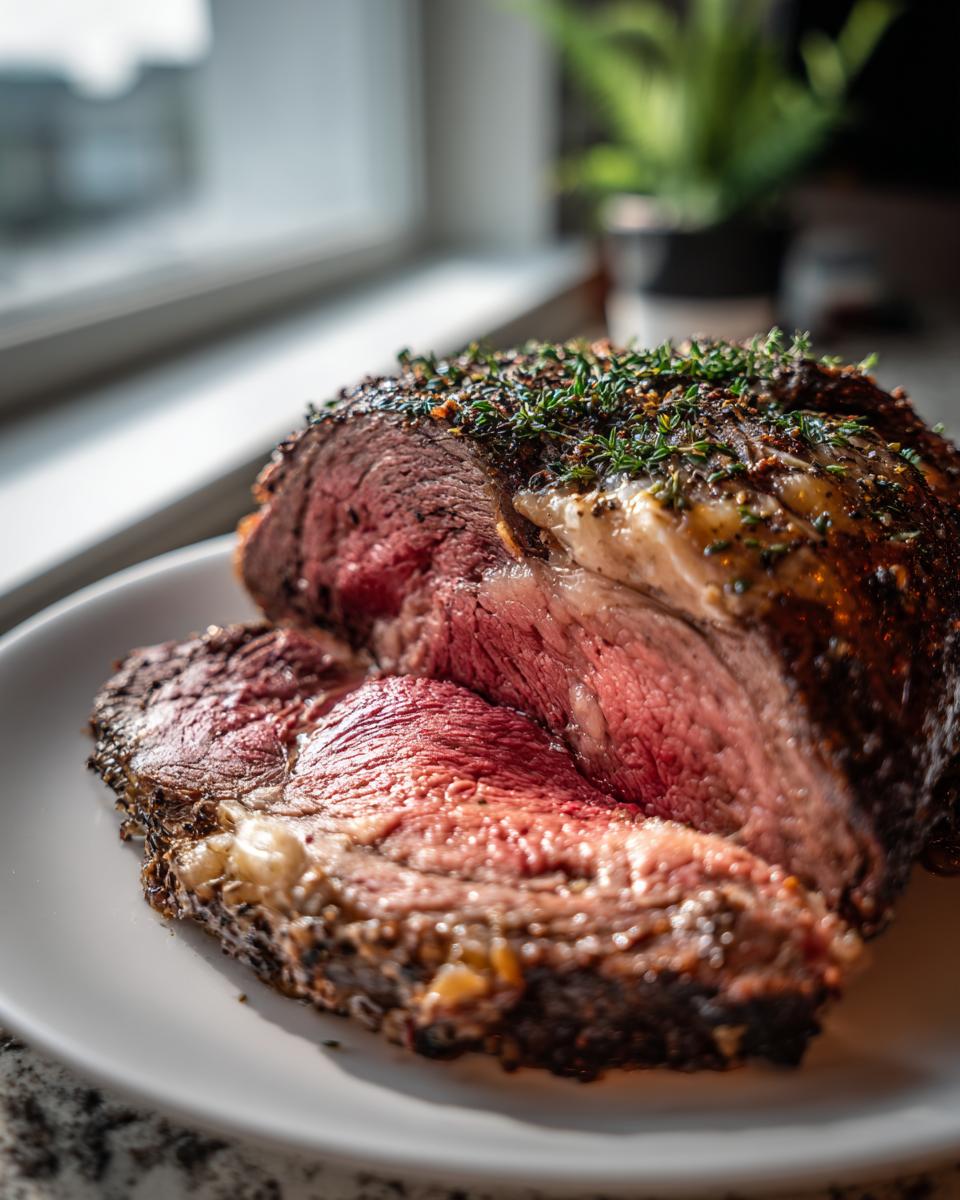
For the best results, toss your slices in a shallow baking dish with a little splash of beef broth or water—just enough to cover the bottom of the pan. Cover that tightly with foil and bring it up to temperature very slowly in a low oven, maybe 300 degrees F. Those leftovers are perfect for making a hearty beef sandwich the next day, too!
Frequently Asked Questions About This Prime Rib Recipe
It happens every time I post this! Folks have great questions about scaling this amazing prime rib recipe up or down, or how to turn those drippings into magic. Here are a few things I hear most often about cooking a Tender Beef Roast Recipe.
Can I use a boneless roast instead of bone-in?
You totally can, but honestly, you’re missing out! The bones are like little shields protecting the meat closest to them, which keeps that section super moist. If you use a boneless roast, you’ll probably need to lower your cooking time a bit, and I really recommend you look into making my creamy chicken chili recipe with the scraps later, because you won’t have the traditional bone marrow flavor base!
Can this be slow roasted instead of using the 450F blast?
Yes, you absolutely can use a Slow Roasted Prime Rib method if you prefer super low heat the entire time, which is sometimes called the reverse sear method. Instead of the two-stage approach, you just set your oven right to 250 degrees F and cook until you hit your internal temperature. It takes way longer—sometimes three hours for a 6-pound roast—but it ensures edge-to-edge pinkness. This method often results in less crust, though! That’s why I stick to the high-heat start for this Easy Prime Rib Roast.
How do I make the au jus from the drippings?
This is the easiest thing ever, and it makes your Prime Rib with Au Jus taste like a five-star restaurant! Once the roast is resting and you’ve poured off all that glorious fat from the roasting pan (save that, it’s liquid gold for roasting potatoes!), set the pan over two stove burners on medium heat. Scrape up any brown bits stuck to the bottom—that’s flavor! Then, just whisk in a cup or two of beef stock or wine. Let it bubble and reduce for about ten minutes until it thickens up just slightly. Strain it, and you’ve got the best jus!
Nutritional Estimate for This Tender Beef Roast Recipe
I always get questions about the nutritional side of a big holiday meal, and listen, you deserve to know what you’re eating! Based on this Tender Beef Roast Recipe, here is a rough idea per serving size (about 6 ounces cooked). Remember, these numbers are just estimates because every single cut of prime rib is a little different!
- Calories: 450
- Protein: 40g
- Fat: 30g (12g Saturated)
- Carbohydrates: 0g
- Sodium: 550mg
This is a rich dish, so enjoy that protein! But please know these values can change depending on how much fat you trim off or if you drown it in gravy.
Share Your Christmas Prime Rib Dinner Success
Now that you have the absolute easiest, most reliable prime rib recipe under your belt, I want to hear all about it! Seriously, taking on a big roast for your Christmas Prime Rib Dinner is a big deal, and you deserve a pat on the back for doing it.
Whether this was your first attempt or you’ve been roasting beef forever, please head down to the comments section and drop a rating for me. Knowing what worked for your family helps everyone else feel more confident!
And if you snap a picture of that gorgeous, perfectly medium-rare slice on the platter, tag me on social media! Seeing your family gathered around the table because of something you cooked is exactly why I share these recipes. Let’s keep making those powerful, memory-making kitchen moments together. You can learn more about our mission over at The YumMagnet Recipe Box!
PrintThe Ultimate Easy Prime Rib Recipe for a Tender Holiday Roast
Make a restaurant-style prime rib roast that is succulent and juicy every time. This simple oven-roasted prime rib recipe is perfect for your Christmas dinner or any special occasion centerpiece meal.
- Prep Time: 20 min
- Cook Time: 2 hr 30 min
- Total Time: 3 hr 5 min
- Yield: 6-8 servings 1x
- Category: Main Course
- Method: Oven Roasting
- Cuisine: American
- Diet: Low Fat
Ingredients
- 1 (5-7 pound) bone-in prime rib roast
- 3 tablespoons coarse kosher salt
- 2 tablespoons black pepper
- 1 tablespoon garlic powder
- 1 tablespoon onion powder
- 1 tablespoon dried rosemary
- 1 tablespoon dried thyme
- 4 tablespoons olive oil
- 4 cloves garlic, minced
Instructions
- Remove the prime rib roast from the refrigerator 3 hours before cooking to allow it to come to room temperature. This helps the roast cook evenly.
- Preheat your oven to 450 degrees Fahrenheit.
- In a small bowl, combine the kosher salt, black pepper, garlic powder, onion powder, dried rosemary, and dried thyme to create your herb crust rub.
- Rub the entire surface of the prime rib roast with the olive oil.
- Press the herb crust rub mixture firmly onto all sides of the roast. Rub the minced garlic over the exterior as well.
- Place the roast, fat side up, in a roasting pan fitted with a rack.
- Place the roast in the preheated 450 degree oven and cook for 15 minutes. This initial high heat creates a good crust.
- Reduce the oven temperature to 325 degrees Fahrenheit. Do not open the oven door.
- Continue roasting until the internal temperature reaches your desired doneness. Use a meat thermometer inserted into the thickest part of the roast, avoiding the bone.
- For rare, remove at 120-125 degrees F. For medium-rare, remove at 130-135 degrees F. For medium, remove at 140-145 degrees F. (This usually takes about 13-15 minutes per pound after the initial 15 minutes at high heat).
- Remove the roast from the oven. Tent it loosely with aluminum foil and let it rest for at least 20 minutes before carving. The internal temperature will rise another 5-10 degrees during resting.
- Slice against the grain and serve immediately with au jus or your favorite gravy.
Notes
- For the best results, use a bone-in prime rib roast; the bones help insulate the meat and keep it moist.
- If you want a restaurant-style crust, you can sear the roast in a very hot cast-iron skillet on all sides before placing it in the oven, though the initial 15 minutes at 450F usually suffices.
- If you plan to make au jus, reserve the drippings from the roasting pan after the roast has rested.
Nutrition
- Serving Size: 6 oz cooked
- Calories: 450
- Sugar: 0
- Sodium: 550
- Fat: 30
- Saturated Fat: 12
- Unsaturated Fat: 18
- Trans Fat: 0
- Carbohydrates: 0
- Fiber: 0
- Protein: 40
- Cholesterol: 130